What to Expect from Randolph top Stamped Concrete Rental for Your Concrete Project
What to Expect from Randolph top Stamped Concrete Rental for Your Concrete Project
Blog Article
Expert Stamped Concrete Leasing Solutions for Beautiful Exterior Spaces
Expert concrete stamping rental options present an economical choice for homeowners and contractors working to enhance outdoor spaces. These solutions supply entry to specialized machinery and equipment, ensuring superior performance without the burden of ownership. The potential to create sophisticated motifs and resilient finishes is enticing. Still, mastering the complexities of initial preparation and maintenance is essential. Which factors need to be examined prior to starting a stamped concrete undertaking?
Why Opt for Stamped Concrete for Your Outside Patio
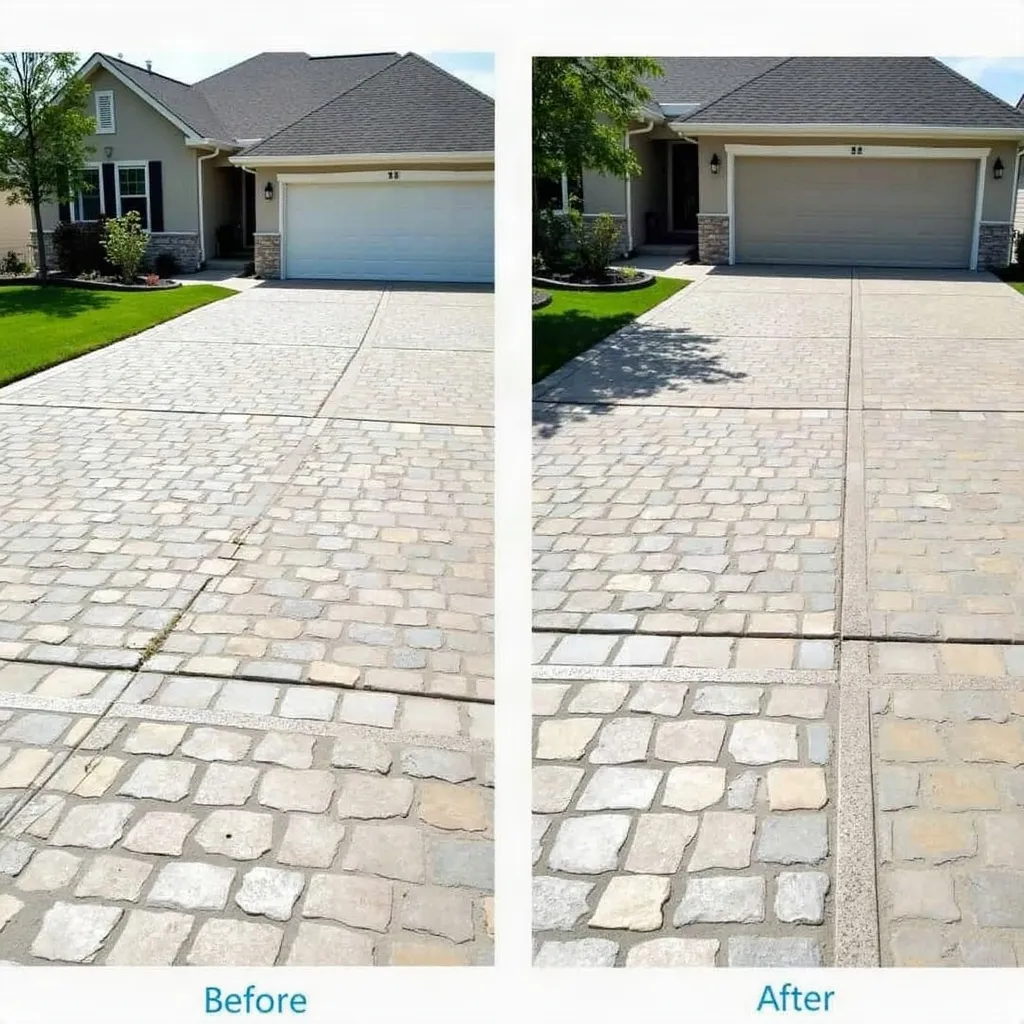
When evaluating enhancements for outdoor spaces, many homeowners discover that stamped concrete provides an compelling combination of aesthetics and practicality. This versatile option enables for a range of designs, replicating natural materials such as stone, brick, or tile, while delivering a durable surface. Stamped concrete is resistant to weathering, making it ideal for various climates, and its low maintenance requirements appeal to busy homeowners.
Additionally, stamped concrete can enhance property value, as it creates attractive pathways, patios, and pool decks that draw prospective buyers. Its capacity to integrate smoothly with landscaping further elevates outdoor spaces. The installation process is also relatively quick compared to other materials, reducing disruption to the home environment. Homeowners appreciate that decorative concrete can be tailored to suit individual tastes, providing a unique touch to their outdoor aesthetics. Overall, decorative concrete stands out as a functional and stylish choice for enhancing outdoor living areas.
What Materials Are Essential for Stamped Concrete?
When working with stamped concrete, having the appropriate tools is crucial for achieving professional results. Essential tools include concrete mixers, stamps, and finishing trowels, while safety gear such as gloves and masks offers protection during the process. Understanding these requirements can significantly improve both the efficiency and safety of the project.
Must-Have Stamped Concrete Instruments
A selection of essential tools are required for successfully completing work with stamped concrete, confirming precision and quality in the final product. Key tools include a concrete mixer for standardized material blending, trowels for smoothing and shaping, and stamp molds that create desired patterns. A concrete float helps in leveling the surface, while edging tools help define clean lines around the project. For texturing, dedicated stamps and rollers enhance the design, and a groover is critical for creating joints that control cracking. Finally, a curing compound sprayer ensures proper hydration. Utilizing these tools effectively not only enhances the appearance but also contributes to the strength of the stamped concrete installation.
Required Safety Equipment
Proper protective clothing is critical for anyone working with stamped concrete to minimize hazards and secure a safe working environment. Workers must begin with eye protection to defend their eyes from dust and debris. Robust gloves are essential for hand protection against sharp tools and rough surfaces. Steel-toed boots are suggested to guard against foot injuries from heavy materials. Also, wearing a helmet is vital to prevent head injuries from falling objects. The use of respirators or masks is important when handling concrete dust or chemicals to prevent respiratory problems. Finally, knee pads help provide comfort and safeguard knees while kneeling in the stamping process. Observing these safety gear measures fosters a safer workspace for everyone involved.
Guidelines to Get Your Site Ready for Stamped Concrete Installation
Preparing the location for stamped concrete installation is important for creating a durable and visually appealing surface. The opening step entails removing the area of any debris, vegetation, or existing concrete. This ensures a clean slate for the new placement. Next, the ground must be excavated to the suitable depth, typically 4 to 6 inches, depending on the project requirements. Proper slope is essential to enable adequate drainage, preventing future cracking or pooling.
After the site is set, a durable sub-base composed of gravel or crushed stone must be laid to boost stability. Setting up forms to outline the desired shape is also important, as they guide the concrete pour and preserve the structure. Lastly, the site should be compacted to get rid of air pockets, ensuring a solid foundation. Adhering to these steps will greatly contribute to the longevity and aesthetics of the stamped concrete surface.
Premier Stamped Cement Ideas and Surfaces for Your Outdoor Space
Stamped concrete delivers a range of beautiful patterns and styles that can convert any exterior area into a visually appealing space. Popular options feature patterns that mimic natural materials, such as slate, brick, and flagstone, allowing homeowners to obtain an elegant appearance without the expense.
Color choices range from earthy tones to bright colors, enabling personalization to complement current landscaping or architectural styles. Patterned finishes can create dimension and character, improving the overall appearance of patios, walkways, and driveways.
For a modern touch, angular designs and vibrant hues are growing in popularity, while traditional designs stay enduring options. Additionally, decorative borders can define spaces and generate aesthetic appeal. Each styling decision not only enhances the aesthetics of exterior spaces but also increases worth to the property, making stamped concrete a flexible and attractive option for homeowners seeking to improve their exterior recreational areas.
Conventional Cleaning Practices
Keeping stamped concrete surfaces clean calls for a thoughtful approach to maintain their longevity and aesthetic charm. Routine maintenance includes sweeping or blowing away dirt and debris. Deeper cleaning can be done with a mixture of mild detergent and water applied via a soft-bristle brush. Avoid harsh chemicals as they might cause damage. Thorough rinsing is necessary to prevent residue buildup. Additionally, prompt stain treatment is important; a diluted vinegar solution can successfully remove organic stains. For grease or oil stains, using a specialized cleaner may be essential. Ultimately, regularly applying these techniques will help preserve the beauty of stamped concrete and extend its lifespan. Consistent care ensures the surface remains inviting and visually appealing.
Seal for Longevity
Routine upkeep creates the foundation for the durability of stamped concrete, but coating serves as a critical role in safeguarding and improving its look. Sealing creates a protective layer against water damage, marks, and sun exposure, which can lead to fading and decay over time. Experts recommend applying a high-quality acrylic or polyurethane sealer to ensure peak defense. Treatment should happen every one to three years, depending on environmental conditions and usage. Additionally, thorough surface preparation is crucial; any debris or moisture can prevent bonding. When applying the sealant, a consistent, even coat should be applied to avoid pooling or streaking. In summary, regular sealing not only preserves the vibrant colors of stamped concrete but also extends its lifespan significantly.
Repairing Surface Wear
Addressing surface damage without delay assures the longevity of stamped concrete. Periodic evaluations can help spot concerns such as cracks, chips, or discoloration. When damage develops, immediate repair is vital. For minor cracks, a concrete filling material can successfully close spaces, ensuring a smooth surface. Once the repair is complete, coating a fresh coat of sealant not only enhances appearance but also safeguards the repaired area from later harm.
Moreover, avoiding harsh chemicals during cleaning can prevent further deterioration. Consistent upkeep, including every few years, will reinforce the durability of the surface. By emphasizing these repair techniques, property owners can maintain the visual allure and structural integrity of their stamped concrete, ensuring it remains a magnificent feature of their outdoor spaces.
Advantages of Renting Stamped Concrete Tools
Why should contractors consider renting stamped concrete equipment? Renting provides several benefits, especially presentation for those seeking to improve outdoor spaces without the long-term obligation of ownership. First, it allows construction professionals to obtain high-quality, specialized tools that may not be financially viable to purchase outright. This availability guarantees that projects can be completed with professional-grade results.
In addition, renting gear reduces storage concerns and maintenance responsibilities, allowing contractors to focus on job completion. It also offers flexibility; contractors can select the right equipment for each specific job, adapting to varying project requirements and scales.
In addition, hiring through leasing produces savings, particularly important for short-term works, as it circumvents the requirement for major upfront expenditures. Ultimately, taking advantage of rental services for stamped concrete equipment allows contractors to maximize resource efficiency while creating stunning results successfully.
Budgeting for Your Stamped Concrete Project
Developing a cost estimate for a stamped concrete initiative involves careful consideration of various factors to confirm successful execution. First, the cost of supplies is fundamental, including concrete, stamps, and color additives. These aspects can considerably determine the overall budget. Additionally, compensation expenses must be included, most notably if hiring professionals for execution. Renting equipment may also be critical, which can vary in price depending on the tools needed and rental duration.
An essential aspect is ground readiness, including grading and drainage, which can create added expenses. Owners should reserve money for maintenance and protective sealing to preserve the lifespan of the stamped surface. Lastly, it's sensible to build in a backup fund for unexpected expenses that could surface during the project. By analyzing these components, individuals can create a detailed budget that matches their picture for a remarkable outdoor space.
Common Inquiries Asked Regularly
What is the expected durability of Stamped Concrete versus Other Materials?
Stamped concrete typically endures 25 to 30 years, performing better than materials like asphalt, which may last 15 years, and pavers, which can endure 20 years. Proper maintenance greatly enhances the longevity of stamped concrete installations.
Placing imprinted concrete in winter temperatures - will it succeed?
Stamped concrete is able to be positioned in winter conditions, but special precautions are necessary. Cold weather conditions may hamper curing, so using additives and protective coverings is advisable to confirm strong bonding and resilience in colder climates.
Colors and Patterns: What's Offered for Stamped Concrete?
Stamped concrete features numerous colors and patterns, including earth tones, vibrant shades, and intricate patterns that resemble stone, brick, or tile. Various customization options make it possible to create unique designs matching individual preferences and aesthetics.
Is Stamped Concrete Likely to be Slick When Wet?
Stamped solid surfaces tends to be slippery when wet, particularly if it has a sleek finish. Still, textured surfaces or additional treatments can raise traction, lowering the risk of slipping in rainy conditions while keeping an appealing look.
What Techniques Can Repair Cracks in Stamped Concrete?
Repair damage or cracks in stamped concrete by cleaning the area thoroughly, applying a concrete repair compound, smoothing it out, and thinking about resealing the surface for protection. Regular maintenance can avoid future issues.
Report this page